

Why Your Facebook Leads Don't Answer the Phone
When someone taps your Facebook or Instagram ad and fills out Meta's on platform lead form, the form does not ask them to type a phone number. It pulls one in for them automatically, pre-filled straight from whatever contact information happens to be sitting on their Facebook profile at that moment. If that profile carries an old number, an email nobody checks anymore, or a phone that changed hands two years ago, none of that stops the form from submitting. You end up with a lead that looks complete in every field and a phone number that was never going to ring true.
You paid for that lead. It arrived with a name, an email address, and a phone number, everything a lead is supposed to have. So you called. Voicemail. You called again a few hours later. Nothing. By the sixth attempt, most contractors conclude they got ripped off, that the lead was fake or the whole campaign is quietly burning money on people who were never real in the first place. The lead was not fake. A real person tapped your ad because they were genuinely curious, or genuinely shopping for what you build, and the contact information attached to their name was simply out of date.
This piece walks through exactly how the autofill produces that gap, why it is not fraud and usually is not your agency cutting corners, why the cost lands hardest on a business selling something in the tens of thousands of dollars rather than something under fifty, and what Meta itself is doing about the problem. If you run paid social for outdoor living work, sunrooms, pools, decks, or anything else with a serious price tag, this is the mechanism worth understanding before you write off another lead as junk.
How the autofill actually works
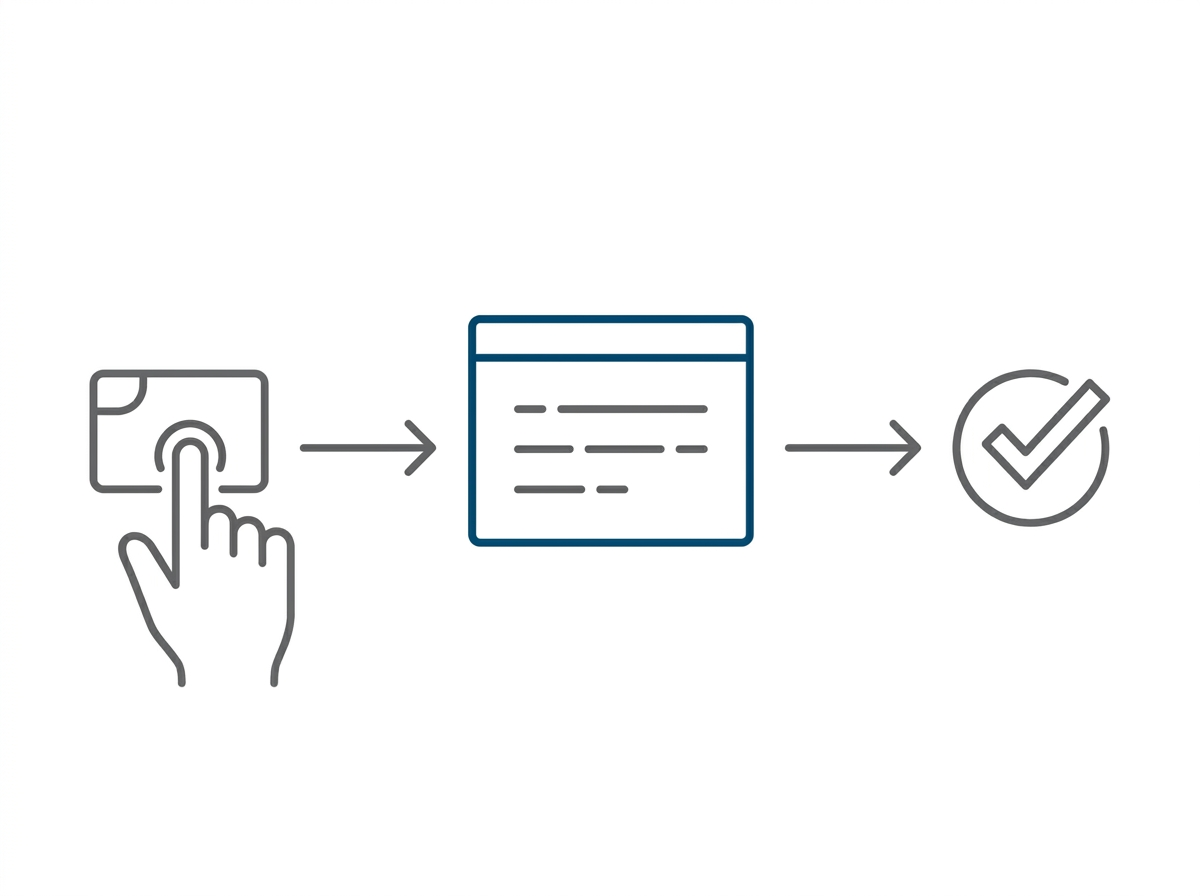
Meta's Instant Form ad format exists to remove friction between someone seeing an ad and becoming a lead. Tap the ad, a form opens inside Facebook or Instagram without ever leaving the app, and several fields are already filled in: name, email, phone number, sometimes a mailing address. The whole thing can be submitted with one tap. That is the entire design intent behind the format, fewer taps between an impression and a completed lead, because every extra field someone has to type by hand is a chance for them to abandon the form before finishing it.
The friction that design removes is also the safeguard it removes. A form that makes someone type their own phone number forces a small moment of attention, a beat where they might notice a typo, or realize the number on file is the landline they disconnected when they moved apartments. An autofilled form skips that moment entirely. Whatever sits in the Facebook profile field, current or six years stale, is what gets submitted, and the person tapping submit is often barely looking at the pre-filled text at all. They are confirming interest in your ad, not confirming that a specific phone number is correct.
Meta's own advertiser documentation confirms this behavior directly, describing Instant Form fields as pre-populated from the person's existing profile information to speed up completion for the advertiser and the user alike. That is a real, publicly documented mechanic of the ad product, not a theory about why leads go quiet. It also explains why the failure is not random or occasional. It is built into how the form itself is designed to function, which is why it shows up at a fairly consistent rate across almost every account running this format.
Profile data goes stale for reasons that have nothing to do with your ad or your business. People change phone carriers and forget to update Facebook. They keep an old email forwarding to an inbox they abandoned years ago. They set up the account on a family member's information back when they first joined the platform. None of that is visible to you when the lead comes in. All you see is a complete, tidy looking submission, with no indicator anywhere on the form showing which fields the person actually typed and which ones Meta filled in for them.
Why this isn't fraud, and probably isn't your agency being lazy
The instinct after a run of dead numbers is to assume something is wrong somewhere, bot traffic, fake leads, a campaign that is not actually reaching real people. Almost always, that is not what happened. A real person saw your ad, recognized themselves in it, and tapped through because they were genuinely curious about what you build or genuinely in the market for it. The click was real. The interest behind the click was real. What failed was not the person or the ad. It was the phone number sitting in their profile at the moment they submitted.
It is also not automatically a sign that your agency is doing lazy work. An agency running Meta lead ads through the standard Instant Form format will produce some percentage of dead numbers no matter how well the campaign itself is built, because the failure sits upstream of targeting, creative, or bid strategy. It lives in the mechanics of the form. A genuinely skilled team running nothing but that default form format will still hand you a mix of live and dead numbers, because no amount of audience targeting fixes a phone number problem.
Where it becomes a fair criticism is when an agency runs nothing but the default on platform form, never builds anything to qualify or verify a lead at the point of capture, and leaves your own sales team to discover the dead numbers one dial at a time. Contractors describe the exact same symptom independently on trade and marketing forums, comparing notes on autofilled leads that go nowhere no matter which agency is running the account behind them. That pattern shows this is a structural weak point in the ad product itself, not an isolated problem with any one campaign.
The honest question to ask an agency running Meta ads for you is not whether some leads will come in with dead numbers, some always will. The honest question is what they are doing about it before that lead ever reaches your sales team: whether qualification happens at the point of capture, whether there is a step that requires someone to actually confirm how to reach them, or whether every lead simply gets dumped into your CRM unverified and your team is left to sort real from unreachable one call at a time.
Why it's worse when you sell high-ticket work
A dead lead costs different businesses very different amounts. For a five dollar impulse purchase, a wasted click is a rounding error somewhere in the ad account, easy to absorb and easy to ignore. For a contractor selling a sunroom, a pool, or a full outdoor living build, a dead lead is not a wasted click. It is a homeowner who was seriously weighing a five figure project and never got a callback, because the only phone number on file for them happened to be one they stopped using two years ago.
Picture it concretely. Someone genuinely interested in a sixty thousand dollar sunroom, or a comparably sized pool or deck build, taps your ad, fills out the autofilled form, and never hears from you, because the number attached to their submission goes to a disconnected line. That is not an abstract marketing statistic sitting in a report somewhere. That is a real project, at a real price point, that never got quoted, never got walked through your process, and never had a chance to become a signed job. The homeowner may quietly assume you never bothered to call. You may reasonably assume the lead was never real.
The ad spend itself is the smallest part of what gets lost when this happens repeatedly. The real cost compounds downstream: a sales rep spending an afternoon dialing a list where a meaningful chunk of the numbers were never reachable in the first place, a pipeline report that looks thinner than the actual level of interest sitting in your market, and a slow erosion of trust in paid social as a channel, when the channel itself was never the problem. That erosion is what pushes contractors to quietly pull back ad spend on a channel that was actually working, just poorly measured.
This is not a sunroom specific problem, it shows up anywhere the project sits well above impulse purchase territory: a full deck rebuild, a pool installation, a whole yard outdoor living renovation. The common thread across all of them is a sales cycle that runs on a phone call, not an instant checkout, and a homeowner who is genuinely comparing a small number of contractors rather than clicking to buy on the spot. Every one of those calls that goes to a dead number is a lost opportunity to be one of the contractors they actually talk to.

What Meta is actually doing about it
Meta is not unaware of this friction. Reporting on the advertiser side, alongside Meta's own evolving guidance for lead ad campaigns, points to the platform testing controls that let advertisers reduce reliance on the autofilled defaults, prompting the person filling out the form to confirm or actively re-enter their contact details rather than silently accepting whatever is already on file. It is a moving target, tested and rolled out unevenly across accounts, ad formats, and regions, rather than a single settled feature that every advertiser can simply switch on today.
What that means practically is that the platform itself is, in effect, quietly validating the diagnosis. Meta is not treating stale autofilled data as a non-issue. But a feature that is still being tested and rolled out unevenly is not something to build your lead flow around waiting for. The more durable move, and the one that does not depend on Meta's release timeline in any particular account, is structuring how you capture and qualify a lead so it never depends entirely on whatever contact detail happened to be sitting in someone's Facebook profile that day.
For now, treat any autofilled lead as unverified until proven otherwise, not as fake, just as unconfirmed. A short screening step, even something as simple as a text message asking the homeowner to confirm the best number to reach them, catches a meaningful share of the dead numbers before your sales team ever dials them. That is a small operational habit you can build today, independent of whatever Meta changes next quarter.
The fix is not complicated. It is qualifying a lead at the point of capture rather than trusting whatever the platform prefilled. Move that verification off the autofilled form and onto a step that requires the person to actually confirm how to reach them and show real intent, and what lands with your sales team afterward is a shorter list of leads who are both real and reachable.
See how we qualify leads at the source- Meta's Instant Form ads prefill a lead's name, email, and phone number straight from their Facebook profile, not from anything the person types themselves.
- That profile data can be years out of date, and the form never forces the person to double check it before they hit submit.
- The lead is real. The tap and the interest behind it were real. It is the contact detail attached to the submission that can be dead on arrival.
- The cost of a dead lead scales with the size of the sale, which is why it hits sunroom, pool, and deck builders harder than low ticket businesses.
- The durable fix is qualifying leads at the point of capture instead of relying on whatever Meta's autofill happened to pull from a stale profile.
If your Facebook leads keep going to voicemail, let's look at why.
Related articles
Further readingRunning Ads to Your Homepage vs. a Dedicated Landing Page
The fix for autofilled leads starts with where the click lands. Here is the full argument for dedicated landing pages.
Read nextWhat Contractors Actually Pay for Leads
Once a lead is actually reachable, the next question is what it should cost you to get one. Here are the real, scoped numbers.
Read nextSunroom Builders
This failure mode hits hardest on high ticket builds. Here's how we run marketing specifically for sunroom dealers.
Read next